
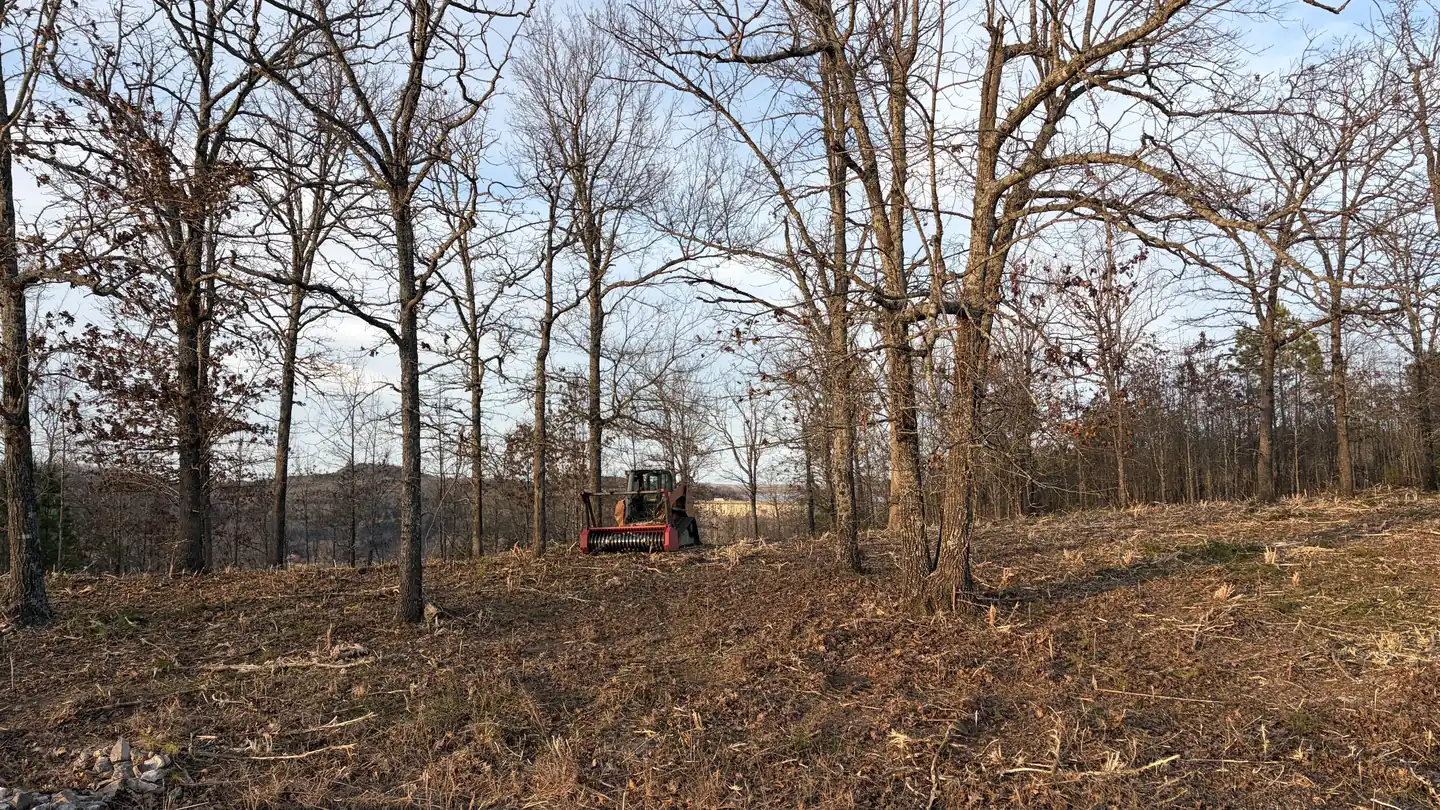
Land Clearing
Overgrown lots, wooded acreage, thickets, fence rows and lake lots opened up with a skid steer mulcher, a brush cutter and a grapple, with the brush ground into mulch in place and the rest hauled off.
Learn More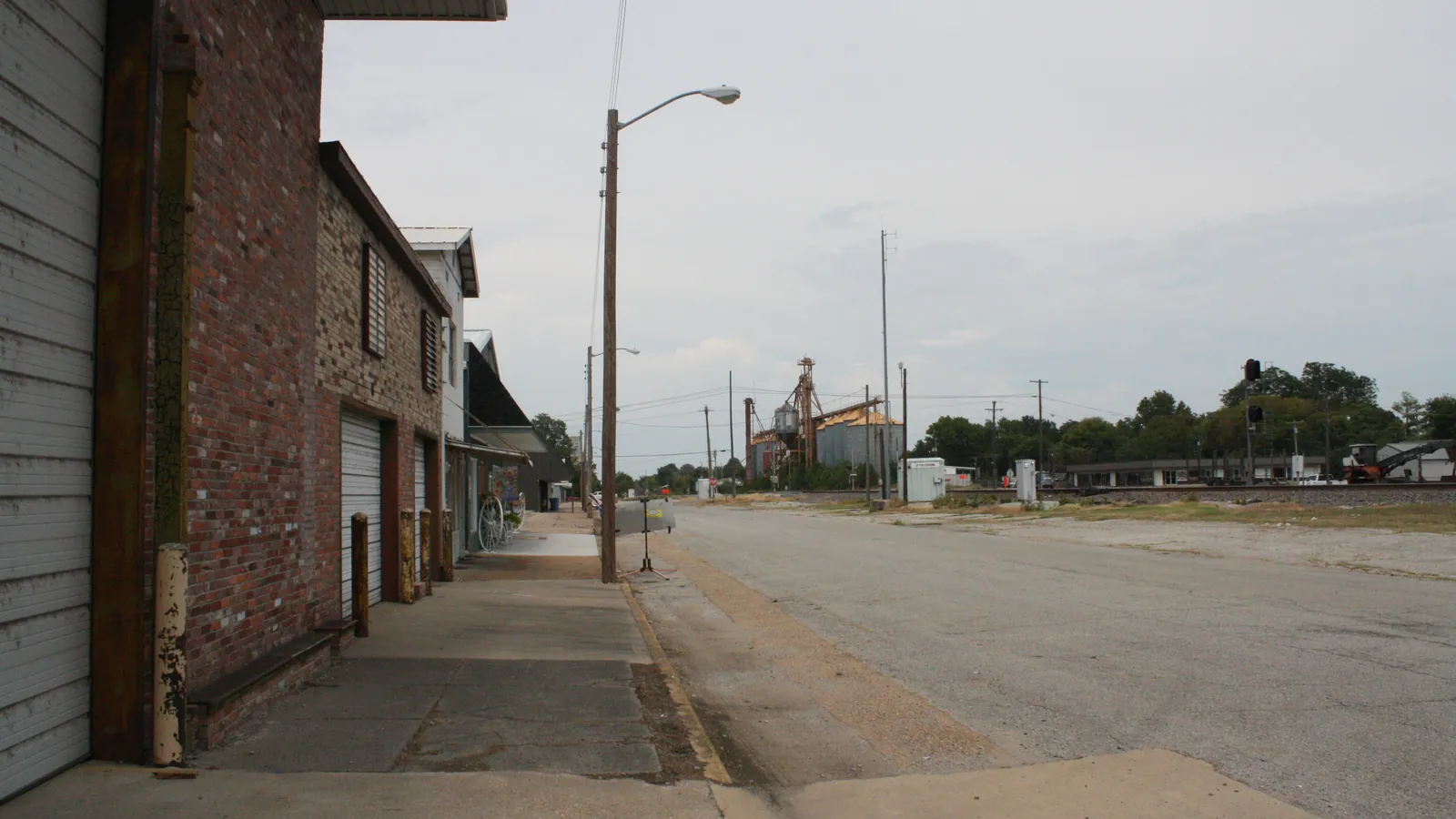
Land clearing in Corning, AR starts with the ground under the brush. Corning is flat, and it was marshland before it was a town. Builders and farmers here deal with gumbo, a name for soil high in clay. Left alone, a town lot, fence row, ditch bank or field edge fills in with brush and saplings.
Craig Land Management is based in Monette, in Craighead County, and works about 50 miles around Jonesboro. Clay County is part of that area, and we come over for land clearing in and around Corning. We also do forestry mulching, bush hogging, dirt work and gravel driveways here. Call (870) 351-5107 for a free estimate, and we will get back to you.
Tell us about the job. We will get right back to you.
Corning sits in western Clay County, about 2 miles west of the Black River. The land here was once heavily forested and cut by many rivers and streams. Swamps covered large parts of the area and made farming and travel hard. In the county's early years, people east of the Black and Cache rivers had trouble reaching Corning in flood season.
Low ground here still waits on dry weather. Wet gumbo turns thick and heavy, so we schedule the wet spots for a dry stretch. The drum mulcher then grinds brush, saplings and small trees into mulch where they stand.
On flat clay, a cleared lot needs shaping before a house, shop or barn goes up. Lot clearing takes out the brush and small trees and rough grades the site with the skid steer. Rough grading gives rain a way off the building spot. The builder's excavator digs the foundation from there.
Anyone who will disturb the ground has to contact Arkansas 811 before dirt work starts. The call is free, and utility companies have two working days to locate their lines. In a mapped flood zone, federal flood insurance rules count filling and grading as development. Ask the city or the county before any fill goes in, and we will point you to the right office.
Around Corning, rice farming arrived about 1916, drawn by the flat land and plenty of water. By the mid-1900s, clearing and leveling land had become key to growing more rice in Clay County. Soybeans had taken over from cotton, the first big cash crop, by the mid-1950s. Today rice is the county's dominant crop, with cotton, soybeans, corn, hay and milo grown too.
Around Corning's rice fields, fence rows and ditch banks fill in with brush and saplings when no one cuts them. Pasture and fence line clearing grinds that growth down with the drum mulcher so a fence can be rebuilt. Where it is mostly tall grass, weeds and briars, bush hogging with the brush cutter takes it down.
Commercial crawfish, baitfish and catfish farms are common in western Clay County. On farm ground like that, we clear the brush along field edges and fence rows. In town, brush clearing takes thickets and vines out from around a house or an outbuilding.
Much of western Clay County lies on old river terraces, with windblown silt, sand sheets and sand dunes. Many low spots between the old dunes, called sandponds, hold water. The higher ground on those terraces is rarely if ever flooded. Post oak and loblolly pine are native there.
East of town, the Black River strip holds some of the largest native bottomland hardwood tracts left in the Delta. The Dave Donaldson Black River Wildlife Management Area, south of Corning, offers hunting and fishing. Clay County's only lakes are around Corning. With the rivers and cutover rice and soybean fields, they draw waterfowl each winter, and many duck hunters with them.
On terrace ground, one tract can hold both high spots and sandponds. We mulch brush on the higher ground first and leave the wet spots for a dry stretch. After a storm, storm cleanup means downed trees and limbs cut up, grappled and hauled off on the dump trailer.
We come over from Monette on AR 18 west to Lake City. There, AR 135 angles north to Paragould and runs on to Lafe, then northwest to Hooker. It ends at US 62 just east of Corning. US 62 runs through town, east 25 miles to Piggott and southwest 26 miles to Pocahontas.
US 67 joins US 62 heading southwest out of Corning. Corning is one of Clay County's two county seats, with Piggott, and the seat of its Western District. The Western District courthouse is in town. The town began as Hecht City, named for brothers with a Black River lumber mill, and moved here in 1871.
Corning was Clay County's first incorporated town, and it had 3,227 people at the 2020 Census. Out in the county, we also work around Knobel, Peach Orchard, Success, Datto, McDougal, Rector and Greenway.
On gumbo clay, a gravel driveway needs a crown so rain runs off to the sides. We spread and grade the gravel with the skid steer and fix potholes and washouts on older drives. A new entrance onto a county road or a highway like US 62 may need a permit. The county or ARDOT sets that, and we can tell you which office to call.
Communities and areas we serve around Corning: Black River, US 62, US 67, AR 135, Knobel, Peach Orchard, Success, Datto, McDougal, Rector, Greenway, Piggott.
Corning ZIP codes served: 72422.
Free estimates throughout Clay County and the surrounding area.
(870) 351-5107 Overgrown lots, wooded acreage, thickets, fence rows and lake lots opened up with a skid steer mulcher, a brush cutter and a grapple, with the brush ground into mulch in place and the rest hauled off.
Learn More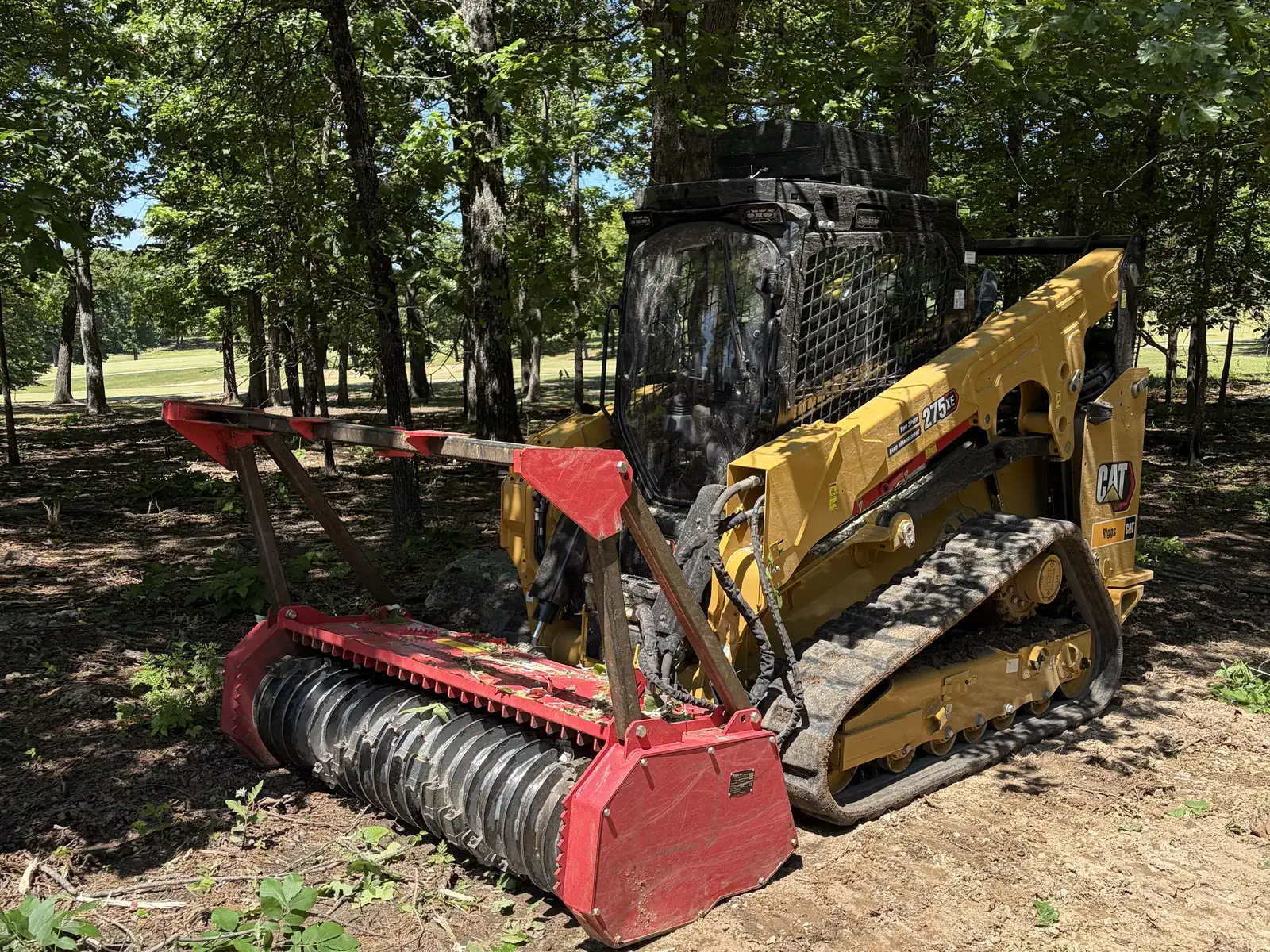
The drum mulcher on our skid steer grinds brush, saplings and small trees into mulch right where they stand. You are left with open ground under a layer of mulch.
Learn More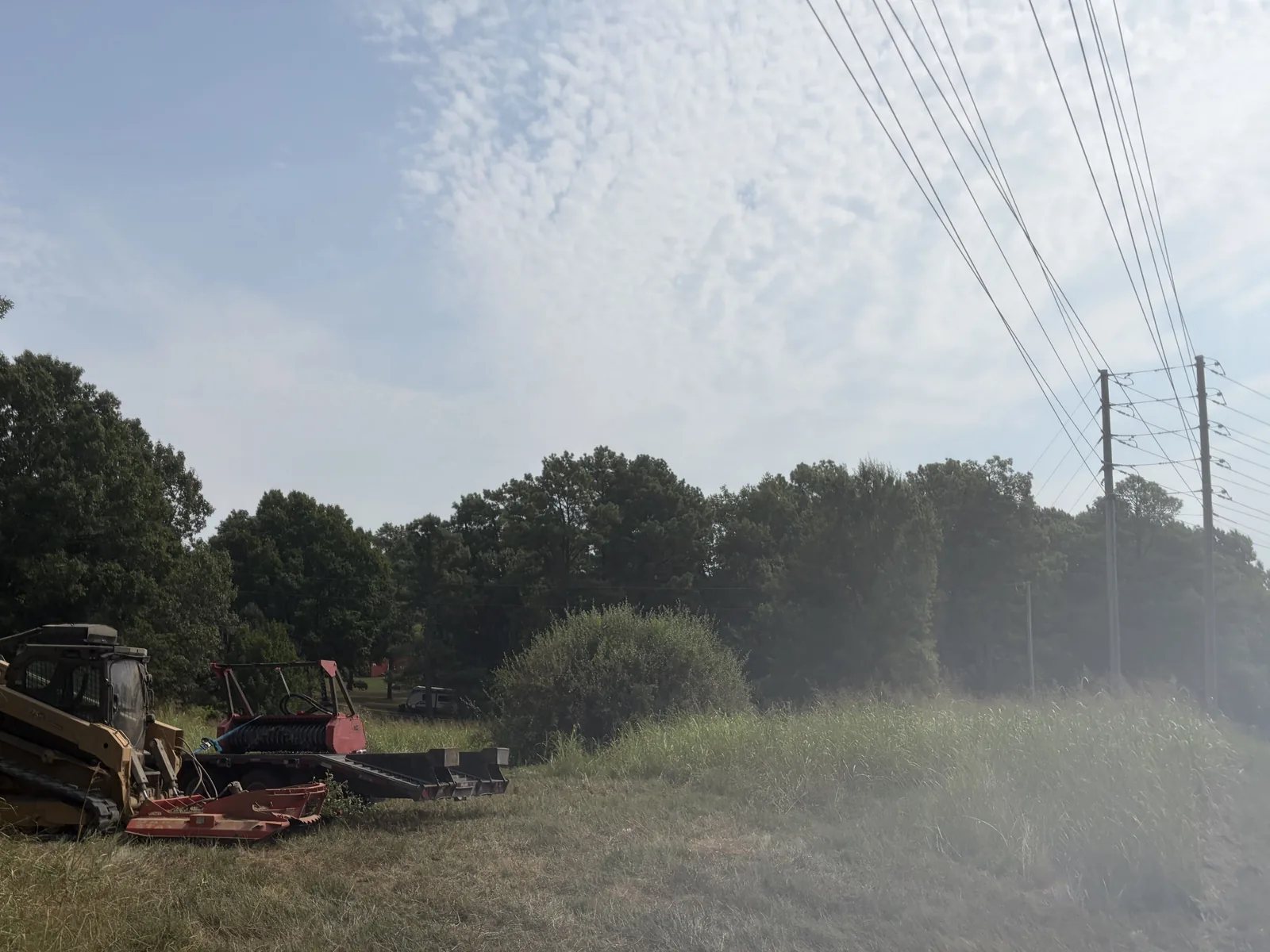
Bush hogging for overgrown fields, pastures, vacant lots, ditch banks and road frontage. The brush cutter runs on our skid steer, and we mow once or come back through on a schedule.
Learn More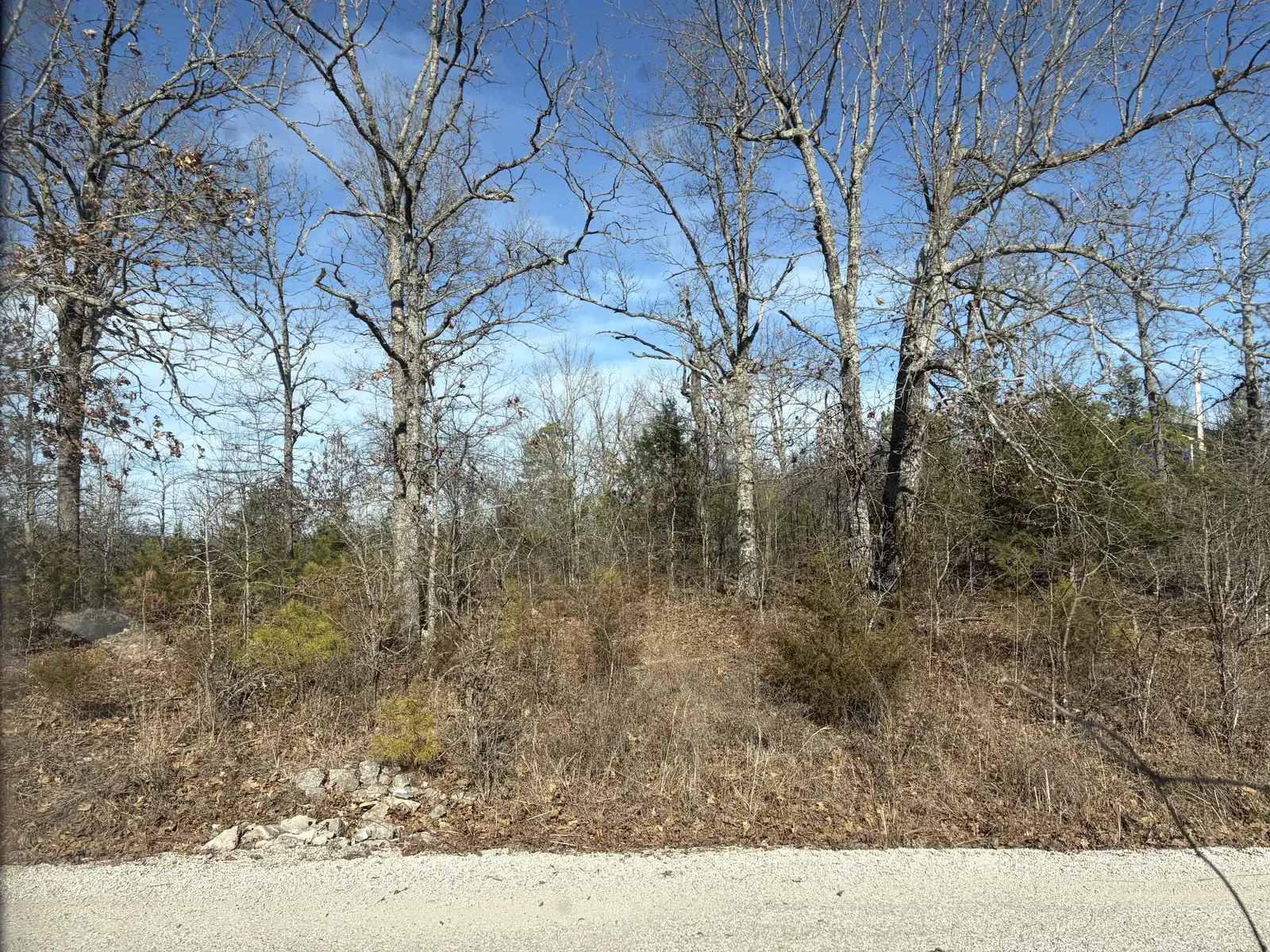
We clear brush, vines, thickets and saplings from around houses, fence lines and ditch banks. What can be ground up is mulched in place, and the rest goes out on the dump trailer.
Learn More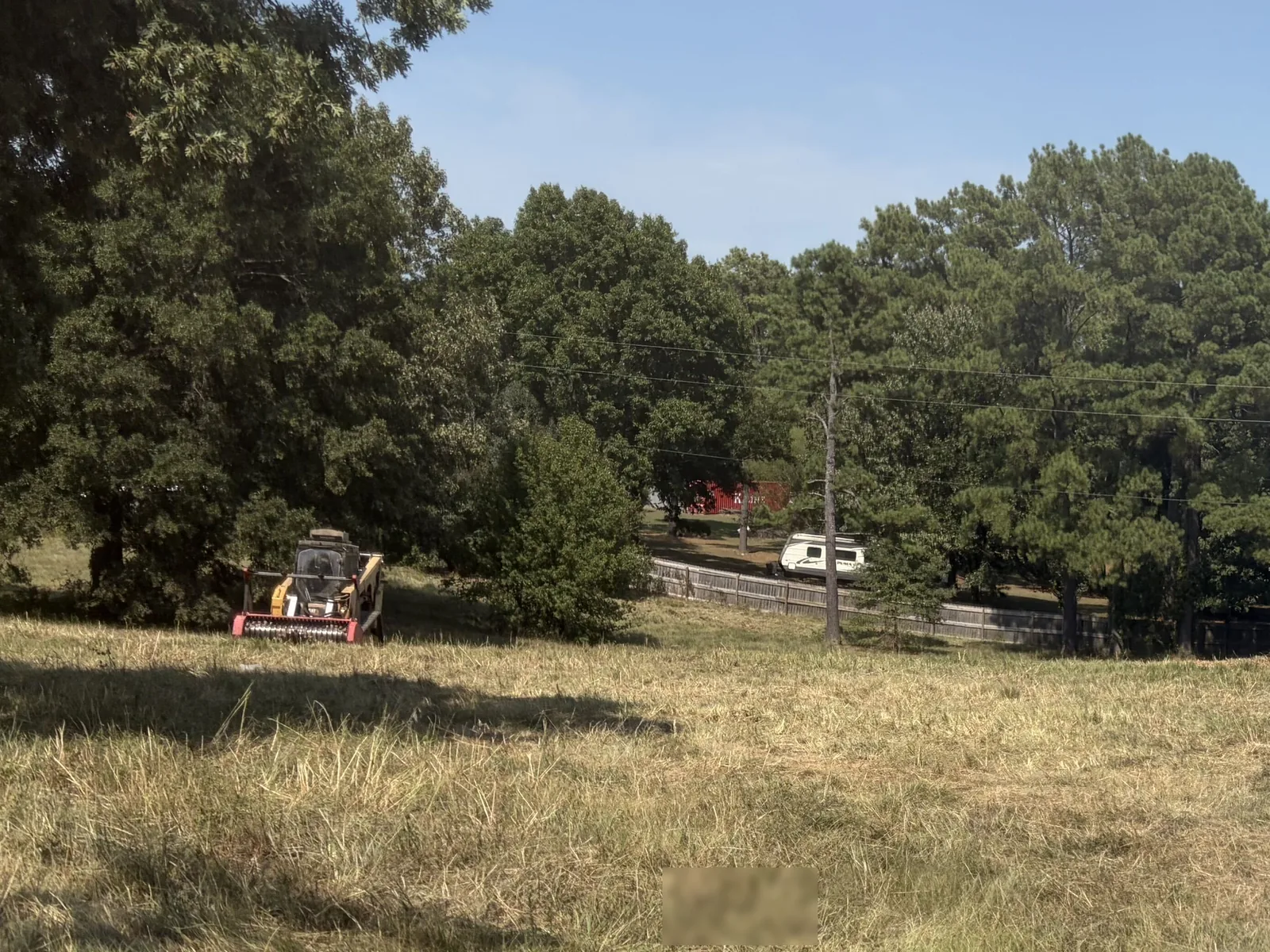
We clear residential lots, new home sites, shop and barn sites and lake lots for the builder. Brush and small trees come out, the ground gets rough graded and the debris leaves on the dump trailer.
Learn More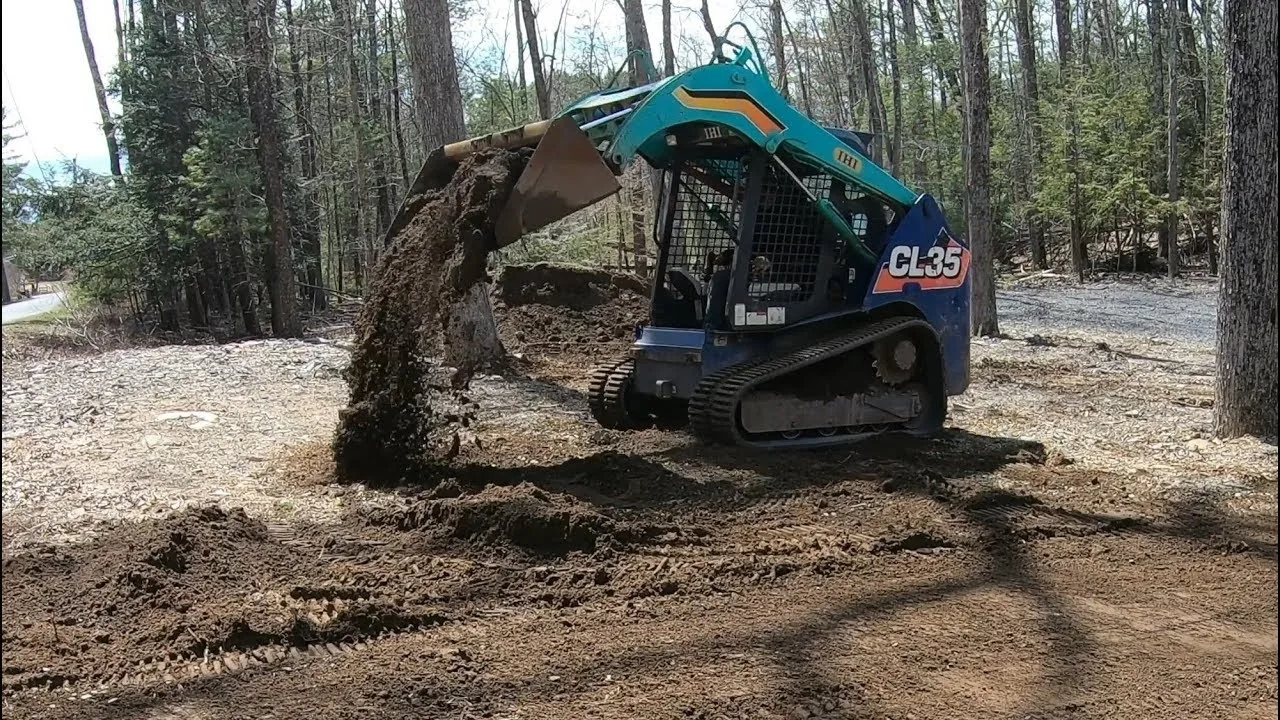
Skid steer dirt work for yards, lots, driveways and field roads around Jonesboro. We level rough ground, spread fill dirt and gravel, and shape the land so water runs off.
Learn More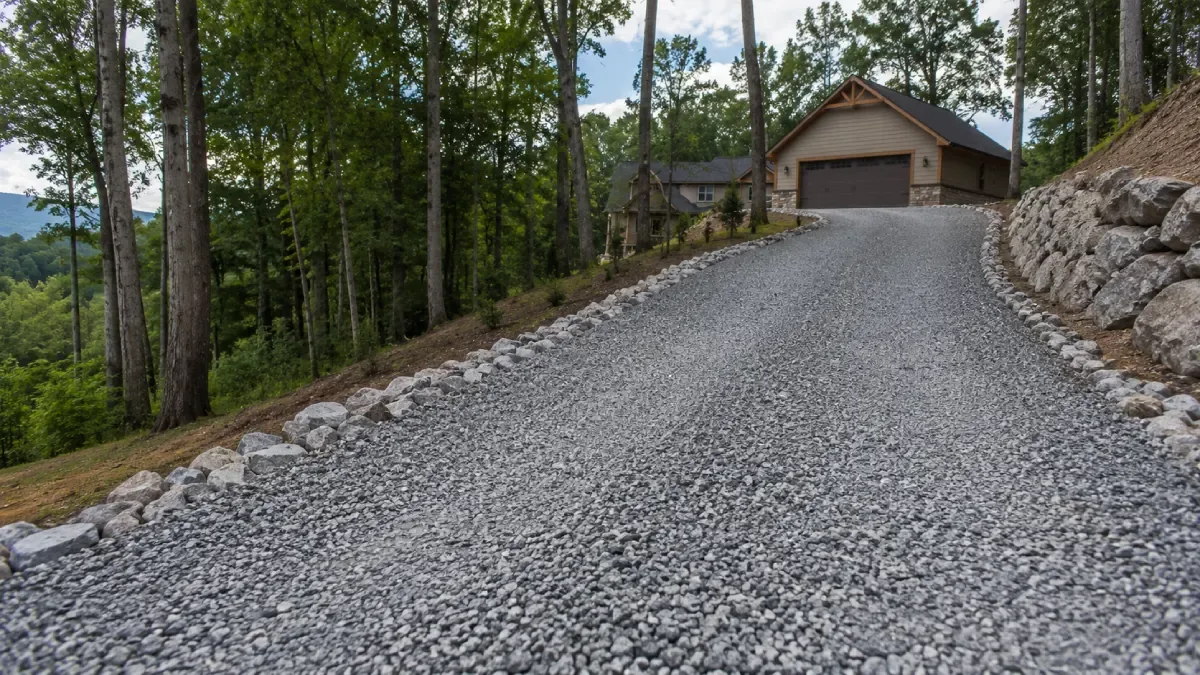
We put in new gravel driveways and farm roads, and we regravel drives that have gone to potholes. The rock gets spread and graded with the skid steer, and the drive gets a crown so water sheds off.
Learn More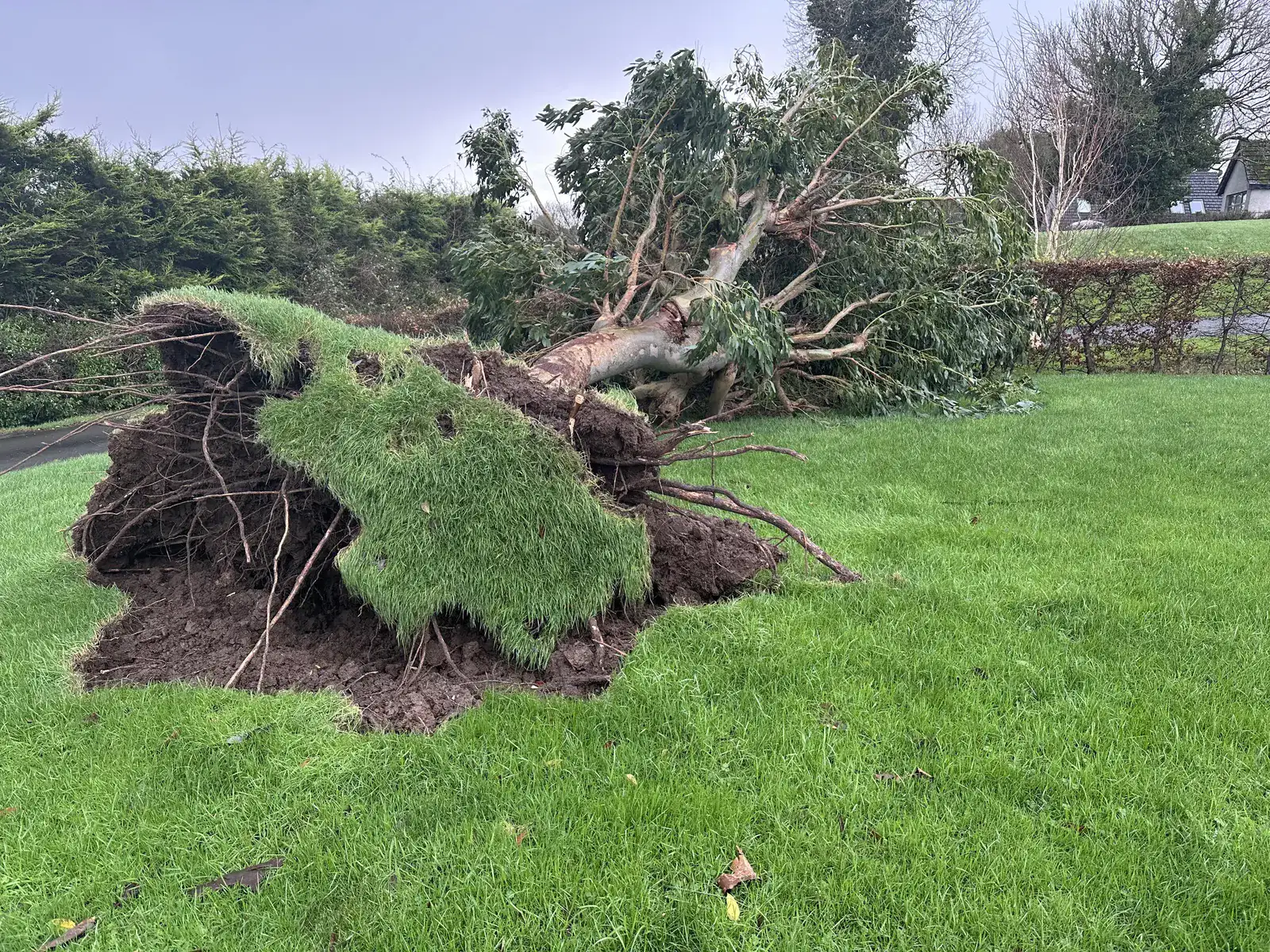
After a tornado, high wind or an ice storm, we cut up downed trees and haul the debris off. The grapple and the dump trailer open a driveway or a lot back up.
Learn More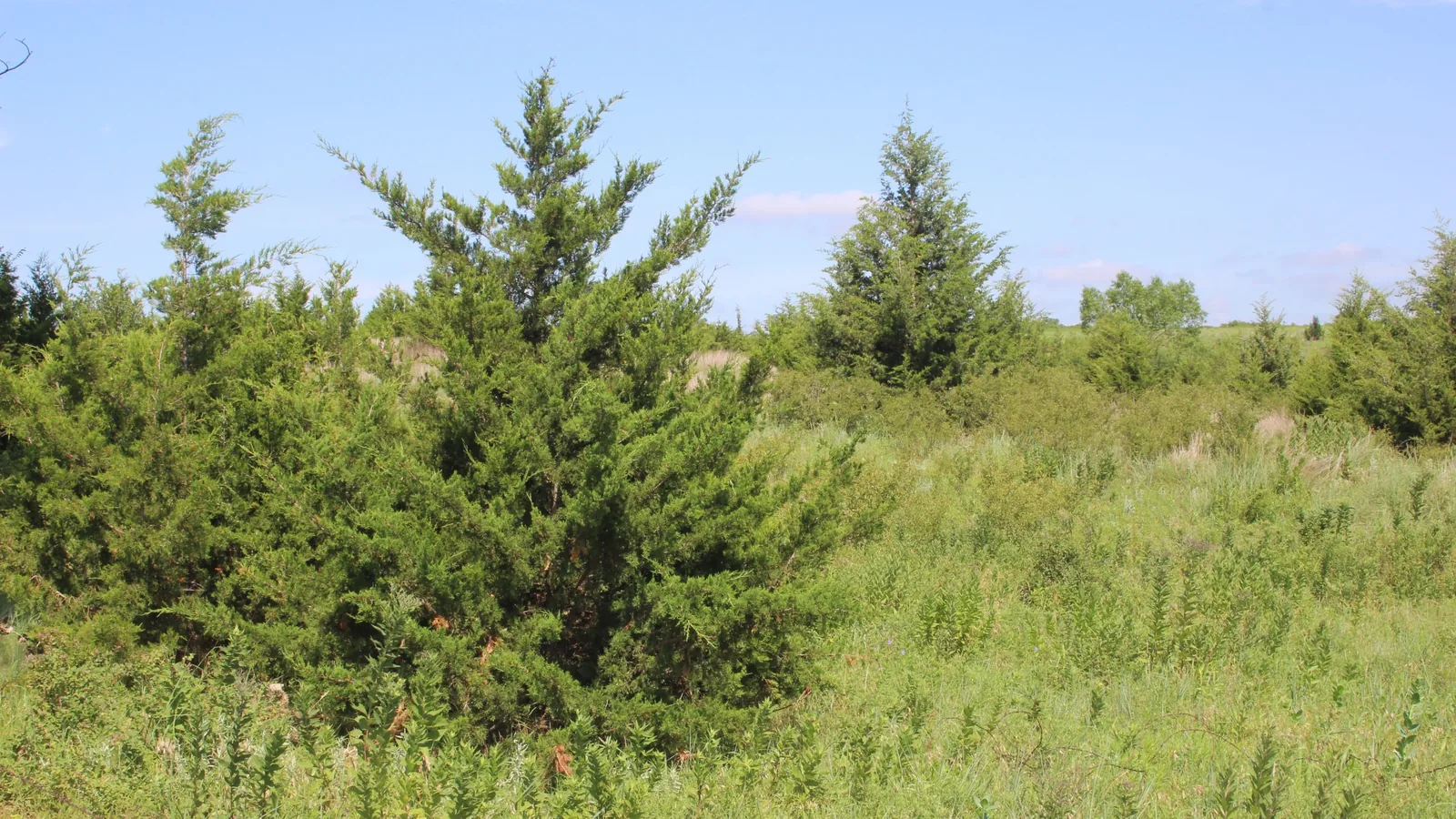
We clear overgrown pasture, fence rows and field edges on farms and hunting land. Cedar, saplings and brush get mulched down so the ground opens back up.
Learn More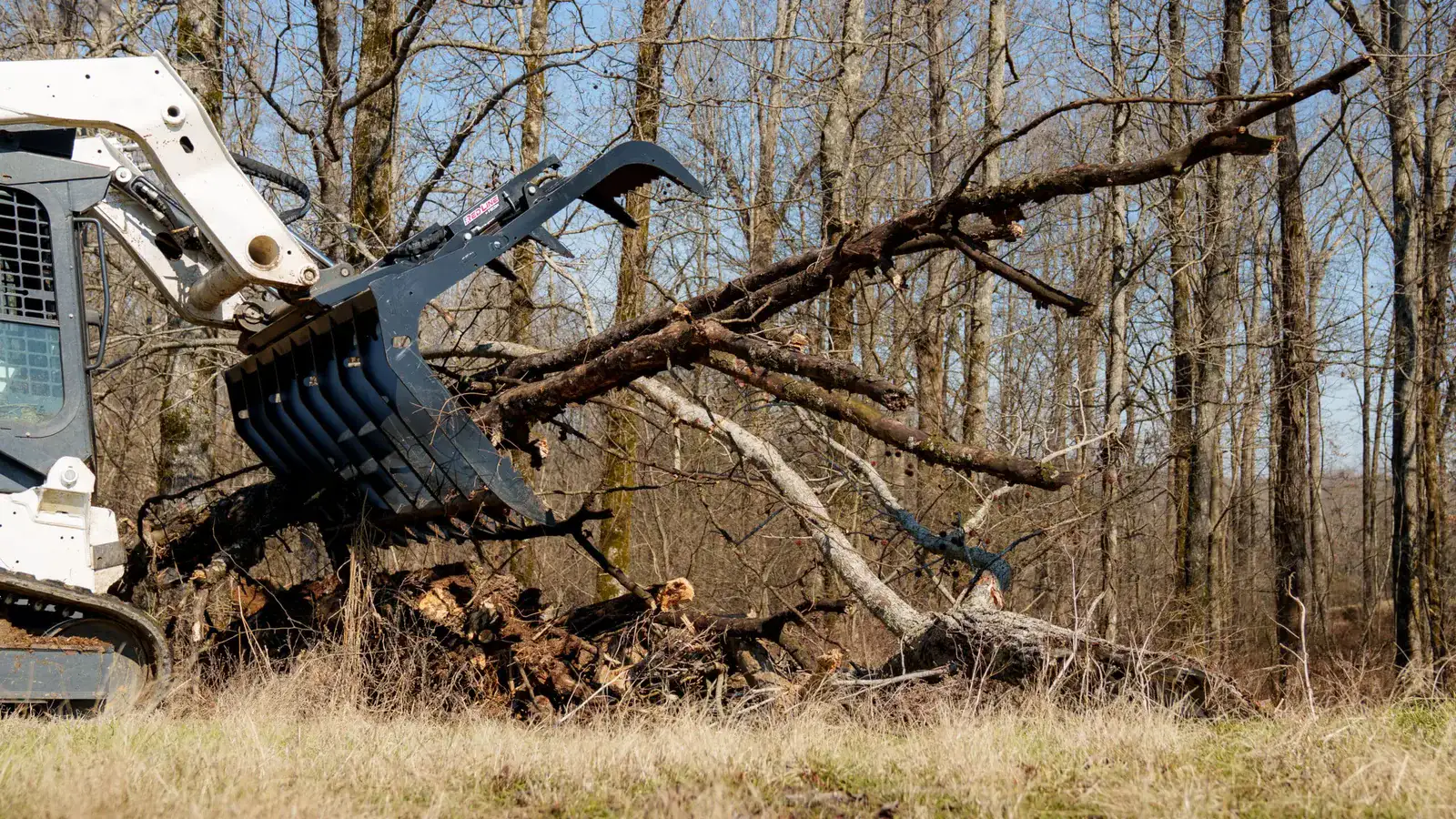
Skid steer work for the odd jobs and mixed jobs around a property near Jonesboro. We bring the grapple, brush cutter or drum mulcher the job needs, and we grade dirt and gravel.
Learn MoreA few of the questions we hear most around Corning. If yours is not here, call and ask.
Call (870) 351-5107 or send the form with the address and what you want cleared. We will get back to you and set a time to come look at the property.
Tell us about the job. We will get right back to you.